

Every year on July 10, cannabis concentrate lovers celebrate 7/10, also known as Oil Day. Why? Because when you flip “710” upside down, it looks like “OIL.”
For anyone who loves hash, rosin, live rosin, dabs, or solventless products, 7/10 is more than a date on the calendar. It is a celebration of the plant, the process, and the craftsmanship behind some of the most flavorful cannabis products available.
At My Green Network, rosin is part science, part art form, and part respect for the flower itself. In honor of 7/10, we are sharing a few fun facts about rosin that explain what makes it so special, why the process matters, and why not every strain is built the same once it reaches the wash room.
1. Rosin Is Made Without Solvents
One of the most important fun facts about rosin is also one of the simplest: rosin is made without solvents.
Unlike some cannabis concentrates that rely on chemical solvents to separate cannabinoids and terpenes from the plant, rosin is created through a solventless process. That means no butane, propane, ethanol, or CO2 are used to extract the oil.
Instead, rosin relies on a combination of ice water, careful handling, minimal heat, and pressure to separate the good stuff from the plant.
The result is a concentrate that reflects the flower in a more direct way. When the input material is exceptional, the final product captures the strain’s aroma, flavor, and natural expression with incredible clarity.
2. Live Rosin Starts With Whole Plant Fresh Frozen Flower
Not all rosin starts the same way.
Live rosin begins with whole plant fresh frozen flower. This means the plant is harvested and frozen before it is washed. That step matters because freezing helps preserve the delicate compounds that give cannabis its aroma, flavor, and character.
From there, the frozen material is washed in ice water to separate the trichome heads from the plant material. Those trichomes are collected, dried, and eventually pressed into rosin.
When done well, live rosin can feel like a snapshot of the living plant. It is one of the reasons so many hash makers and cannabis consumers value it for its true terpene expression and full-spectrum experience.

3. Ice Water, Minimal Heat, and Pressure Do the Work
Rosin is often described as simple, but that does not mean it is easy.
The process depends on three main forces: ice water, minimal heat, and pressure.
Ice water helps separate trichomes from the plant material. Minimal heat helps preserve the oil’s quality during pressing. Pressure helps release rosin from the collected hash.
That balance is where the craft comes in.
Too much force, the wrong timing, or poor handling can affect the final product. A skilled hash maker understands that solventless extraction is not about forcing the plant to perform. It is about knowing how to work with the material in front of you.
4. Some Strains “Wash” Better Than Others
One of the most interesting fun facts about rosin is that not every strain is ideal for solventless production.
In the hash world, people often say a strain “washes” well when it yields a strong return of high-quality trichomes during the ice-water extraction process.
This comes down to trichome production, and more specifically, mature trichome head production.
The most desirable trichome heads often fall in the 90u to 120u range. These mature heads are rich in the oils, cannabinoids, and terpenes that hash makers want to capture. A plant with strong mature trichome head production is often a better candidate for washing and pressing.
So how do you know before harvest?
You look closely. Literally.
Growers and hash makers often inspect the plant with magnification before harvest to evaluate trichome development, head size, maturity, and overall resin quality. This is where cultivation and extraction meet.
A great solventless product starts long before the press. It starts with the genetics, the grow, the timing of harvest, and the structure of the trichomes themselves.
5. Rosin and Hash Can Change Over Time, But Not in the Same Way
Rosin is alive with delicate compounds, which means storage and handling matter.
Left on its own, rosin can oxidize over time. As it oxidizes, it may lose some of its brighter flavor and aroma. That is why many high-quality rosin products are handled carefully and stored cold to help protect the terpene profile.
Hash, however, can behave a little differently.
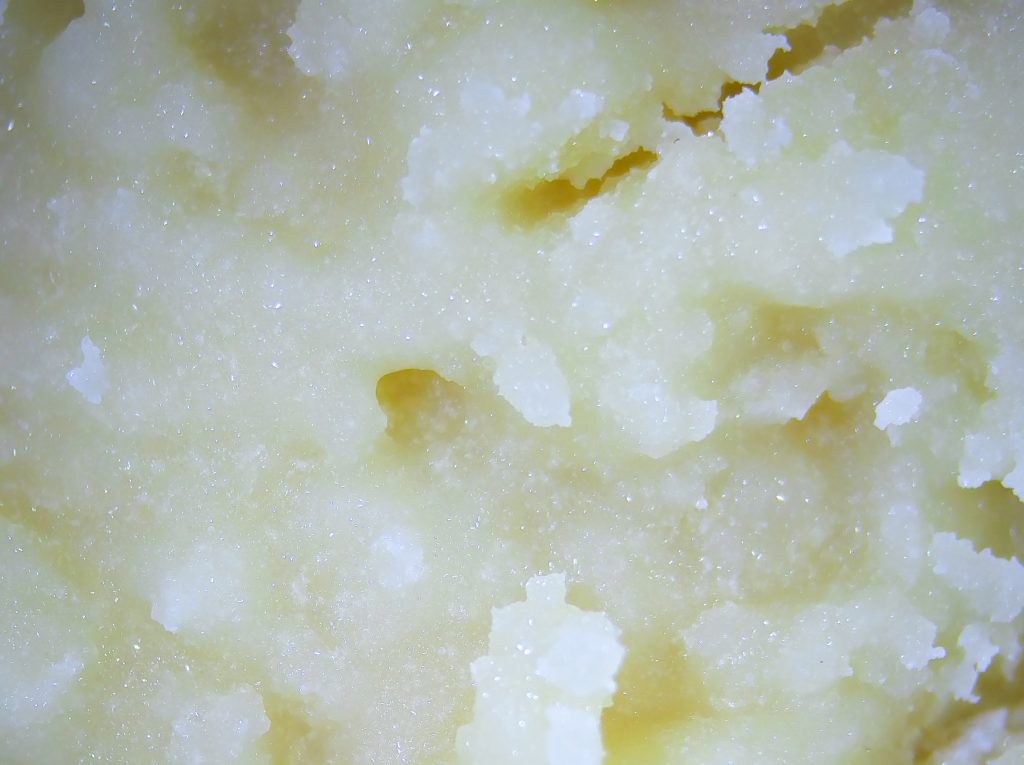
Ice water hash and cured hash can develop over time through a thoughtful curing process. In some cases, that process can preserve existing flavor while creating new expressions of aroma, texture, and complexity. Piattella is a great example of how cured hash can become a distinct category, prized for its texture and depth.
The takeaway? Rosin and hash are closely connected, but they are not the same. Each product has its own relationship with time, texture, and flavor.
6. Six-Star Hash Is Rare for a Reason
Here is a common misconception: people sometimes talk about “six-star rosin.”
Technically, six-star refers to hash, not rosin.
Six-star hash is considered the pinnacle of ice water hash. It is so clean, pure, and refined that it can be enjoyed on its own without being pressed into rosin. In other words, if the hash is truly six-star quality, pressing it is not necessary.
That is what makes it so rare.
Six-star hash requires exceptional starting material, expert washing, careful collection, proper drying, and a level of purity that is difficult to achieve consistently. It is the kind of product that reflects the full journey from flower to finished hash.
For many hash makers, six-star is the mecca. It is hash at its highest expression.
7. Pressure Matters More Than People Think
When people talk about pressing rosin, temperature often gets the most attention. But pressure is just as important, and in many cases, even more important.
Rosin is typically pressed with very low heat. The heat from the press plates is minimal and carefully controlled to preserve the oil’s quality. But pressure is where the hash maker’s experience really shows.
Pressure is variable. It depends on the material, the hash’s quality, the desired consistency, and what the hash maker sees in real time.
A seasoned hash maker can read cues during the press and adjust accordingly. They may increase pressure, ease off, or make small adjustments based on how the rosin moves. That skill is hard to automate and even harder to fake.
It is one of the reasons rosin is not just a product. It is a craft.
Why Rosin Deserves Its Own Holiday
7/10 may have started as a clever flip of the word “OIL,” but today, it represents something bigger.
It is a celebration of cannabis concentrates, extraction artistry, and the people who care enough to preserve the plant’s best qualities. For solventless producers, it is also a reminder that the best products are rarely rushed. They are grown intentionally, washed carefully, pressed thoughtfully, and finished with respect for the flower.
Rosin is made without solvents, but that does not mean the process is simpler. From mature trichome heads to strain selection, from ice water extraction to pressure control, every detail matters.
That is what makes rosin worth celebrating on 7/10 and beyond.
At My Green Network, we believe premium solventless products begin with premium inputs, expert process, and a deep respect for the plant. Whether it is rosin, ice water hash, fresh press, cold cure, jam, or piattella, the goal is the same: to craft products that let the flower speak for itself.
If you’re ready to craft a live rosin SKU that speaks for your brand, reach out to the solventless experts at MGN now.


